
Introduction to cotton fabric
2022-12-21
Cotton fiber is a seed fiber made from the epidermal cells of fertilized ovule by extension and thickening, which is different from the general bast fiber. Its main constituent is cellulose.
Cotton fiber is a seed fiber made by elongating and thickening the epidermal cells of fertilized ovule, which is different from common bast fiber. Its main constituent is cellulose. Cellulose is a natural polymer compound, the chemical structure formula is (C6H10O5)n. The cellulose content of normal mature cotton is about 94%. In addition, it contains a small amount of polypentose, waxy, protein, fat, water-soluble substances, ash and other associated substances. Because cotton fiber has many excellent economic properties, it has become the most important raw material in textile industry.
Cotton fiber has high strength, good air permeability, poor wrinkle resistance and poor tensile property; Good heat resistance, second only to hemp; Poor acid resistance, dilute alkali resistance at room temperature; It has good affinity for dye, easy dyeing, complete chromatography and bright color.
Cotton fabric refers to the fabric made of cotton yarn or cotton and cotton chemical fiber blended yarn.
Characteristics of cotton fabric:
1. Hygroscopicity is strong, shrinkage rate is larger, about 4~10%.
2. Resistant to alkali and acid. Cotton cloth is extremely unstable to inorganic acids, even very dilute sulfuric acid will destroy it, but organic acids are weak, almost no damage. Cotton cloth is relatively alkali resistant, generally dilute alkali does not have an effect on cotton cloth at room temperature, but after strong alkali action, the strength of cotton cloth will decrease. Mercerized cotton cloth can be obtained by treating cotton cloth with 20% burning lye.
3. Light resistance, heat resistance is general. In sunlight and the atmosphere, cotton cloth is slowly oxidized, reducing its strength. Long-term high temperature will damage the cotton, but it can withstand 125~150℃ transient high temperature treatment.
4. Microorganisms have destructive effect on cotton fabric. Manifested in intolerance to mold.
There are two types of cotton fabric:
1. Pure cotton fabric
Pure cotton fabric is made of pure cotton yarn. There are many kinds of fabrics with different colors. Pure cotton fabric, good air permeability, strong moisture absorption, comfortable to wear, but there is a prominent shortcoming - after washing and wearing, easy to wrinkle, deformation. It can be divided into primary cotton, dyed cotton, printed cotton, yarn-dyed cotton according to the way of dyeing; It can also be divided into plain cloth, twill cloth and forged cloth according to the fabric structure.
2. Cotton blended fabric
Fabrics made of cotton and other fibers are collectively referred to as cotton blended and interwoven fabrics. This includes the combination of cotton and other natural fibers, as well as the combination of cotton and various chemical fibers. Usually, cotton and chemical fibers are combined to form practical fabrics with various colors and varieties, which have the advantages of various aspects.
⑴ Viscose fiber and rich fiber mixed with cotton textiles generally use 33% cotton fiber, 67% viscose fiber or rich fiber. This kind of fabric has the characteristics of wear-resisting, higher strength than viscofiber fabric, better moisture absorption than pure cotton fabric, less wet strength reduction, soft and clean. The main varieties are viscose cotton, rich cotton fabrics.
C/C fabrics are usually blended with 35% cotton and 65% polyester. This kind of fabric is mainly made of high count yarn plain weave, mostly used for thin shirt cloth, fine plain cloth, poplin and so on. Terylene cotton, commonly known as "dacron", not only maintains the characteristics of high strength and good resilience of polyester fiber, but also has the characteristics of strong moisture absorption of cotton fiber. It is easy to dye, wash and dry without ironing. Terylene cotton has many varieties and specifications, including original color cloth, color cloth, printed cloth and yarn-woven cloth.
(3) Cotton fabric The fabric blended with Vinylon and cotton. This fabric has good moisture absorption and permeability, and is resistant to salt water corrosion because of Vinylon, so it is suitable for making underwear, underwear, pajamas and so on. The disadvantage of Vichy cotton is that dyeing is not bright enough and elasticity is poor. Its main varieties are cotton city cloth, cotton plain cloth, cotton muslin cloth and cotton gingham dyed fabric.
(4) Polypropylene staple fiber and cotton according to the ratio of 1:1 woven plain fabric, common cotton muslin and cotton hemp yarn.
a. Propylene cotton muslin fabric: The plain weave fabric blended with 50% cotton and 50% polypropylene is crisp in appearance, small shrinkage rate, durable in wear, easy to wash and dry, with the style of polyester cotton fabric. But the moisture absorption, heat resistance, light resistance is poor, suitable for making garments.
b. Propylene cotton and linen yarn: The thin fabric blended with 50% cotton and 50% polypropylene or 65% polypropylene and 35% cotton is used. Its appearance is the same as that of pure cotton and linen yarn fabric, but its moisture absorption, light resistance and heat resistance are not as good as that of cotton and linen yarn. Suitable for summer shirt material or military raincoat, mosquito net, etc.
Cotton fiber is a seed fiber made by elongating and thickening the epidermal cells of fertilized ovule, which is different from common bast fiber. Its main constituent is cellulose. Cellulose is a natural polymer compound, the chemical structure formula is (C6H10O5)n. The cellulose content of normal mature cotton is about 94%. In addition, it contains a small amount of polypentose, waxy, protein, fat, water-soluble substances, ash and other associated substances. Because cotton fiber has many excellent economic properties, it has become the most important raw material in textile industry.
Cotton fiber has high strength, good air permeability, poor wrinkle resistance and poor tensile property; Good heat resistance, second only to hemp; Poor acid resistance, dilute alkali resistance at room temperature; It has good affinity for dye, easy dyeing, complete chromatography and bright color.
Cotton fabric refers to the fabric made of cotton yarn or cotton and cotton chemical fiber blended yarn.
Characteristics of cotton fabric:
1. Hygroscopicity is strong, shrinkage rate is larger, about 4~10%.
2. Resistant to alkali and acid. Cotton cloth is extremely unstable to inorganic acids, even very dilute sulfuric acid will destroy it, but organic acids are weak, almost no damage. Cotton cloth is relatively alkali resistant, generally dilute alkali does not have an effect on cotton cloth at room temperature, but after strong alkali action, the strength of cotton cloth will decrease. Mercerized cotton cloth can be obtained by treating cotton cloth with 20% burning lye.
3. Light resistance, heat resistance is general. In sunlight and the atmosphere, cotton cloth is slowly oxidized, reducing its strength. Long-term high temperature will damage the cotton, but it can withstand 125~150℃ transient high temperature treatment.
4. Microorganisms have destructive effect on cotton fabric. Manifested in intolerance to mold.
There are two types of cotton fabric:
1. Pure cotton fabric
Pure cotton fabric is made of pure cotton yarn. There are many kinds of fabrics with different colors. Pure cotton fabric, good air permeability, strong moisture absorption, comfortable to wear, but there is a prominent shortcoming - after washing and wearing, easy to wrinkle, deformation. It can be divided into primary cotton, dyed cotton, printed cotton, yarn-dyed cotton according to the way of dyeing; It can also be divided into plain cloth, twill cloth and forged cloth according to the fabric structure.
2. Cotton blended fabric
Fabrics made of cotton and other fibers are collectively referred to as cotton blended and interwoven fabrics. This includes the combination of cotton and other natural fibers, as well as the combination of cotton and various chemical fibers. Usually, cotton and chemical fibers are combined to form practical fabrics with various colors and varieties, which have the advantages of various aspects.
⑴ Viscose fiber and rich fiber mixed with cotton textiles generally use 33% cotton fiber, 67% viscose fiber or rich fiber. This kind of fabric has the characteristics of wear-resisting, higher strength than viscofiber fabric, better moisture absorption than pure cotton fabric, less wet strength reduction, soft and clean. The main varieties are viscose cotton, rich cotton fabrics.
C/C fabrics are usually blended with 35% cotton and 65% polyester. This kind of fabric is mainly made of high count yarn plain weave, mostly used for thin shirt cloth, fine plain cloth, poplin and so on. Terylene cotton, commonly known as "dacron", not only maintains the characteristics of high strength and good resilience of polyester fiber, but also has the characteristics of strong moisture absorption of cotton fiber. It is easy to dye, wash and dry without ironing. Terylene cotton has many varieties and specifications, including original color cloth, color cloth, printed cloth and yarn-woven cloth.
(3) Cotton fabric The fabric blended with Vinylon and cotton. This fabric has good moisture absorption and permeability, and is resistant to salt water corrosion because of Vinylon, so it is suitable for making underwear, underwear, pajamas and so on. The disadvantage of Vichy cotton is that dyeing is not bright enough and elasticity is poor. Its main varieties are cotton city cloth, cotton plain cloth, cotton muslin cloth and cotton gingham dyed fabric.
(4) Polypropylene staple fiber and cotton according to the ratio of 1:1 woven plain fabric, common cotton muslin and cotton hemp yarn.
a. Propylene cotton muslin fabric: The plain weave fabric blended with 50% cotton and 50% polypropylene is crisp in appearance, small shrinkage rate, durable in wear, easy to wash and dry, with the style of polyester cotton fabric. But the moisture absorption, heat resistance, light resistance is poor, suitable for making garments.
b. Propylene cotton and linen yarn: The thin fabric blended with 50% cotton and 50% polypropylene or 65% polypropylene and 35% cotton is used. Its appearance is the same as that of pure cotton and linen yarn fabric, but its moisture absorption, light resistance and heat resistance are not as good as that of cotton and linen yarn. Suitable for summer shirt material or military raincoat, mosquito net, etc.
Related Articles
 Cashmere: Synonymous with Softness and Comfort 2023-02-01 368
 Lyocell:A Softer, More Breathable and Smoother Fiber 2023-01-30 295
 Fleece fabric analysis 2023-01-03 248
 Viscose fibers 2022-12-23 200
 Gabardine: Refined, Compact and Very Resistant Fabric 2022-12-15 180
- The main types of silk fabrics 2022-12-12 209
- Introduction of poplin 2022-11-30 193
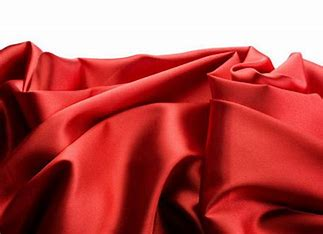 Introduction of taffeta fabric 2022-11-30 169
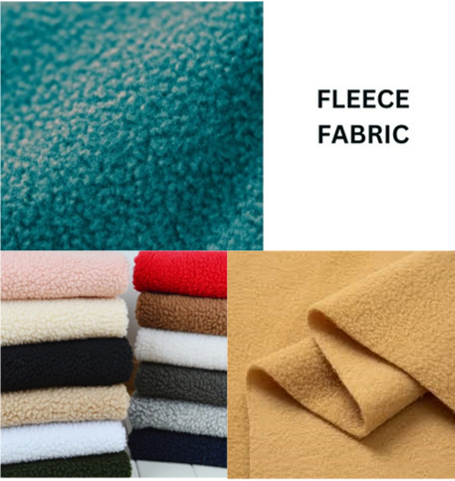 Polar Fleece - A New Winter Trend Fabric in Recent Years 2022-11-30 226
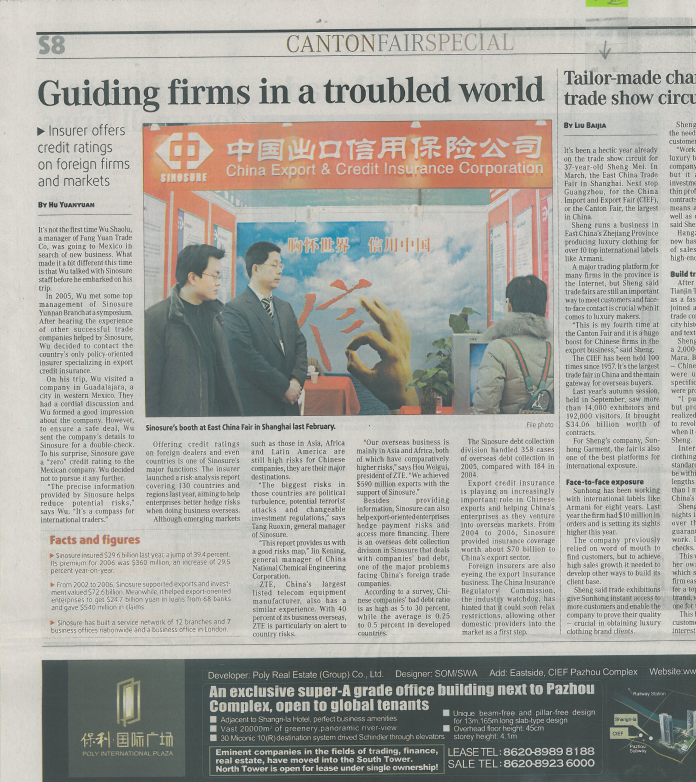 China Daily reported on our company 2022-08-22 192
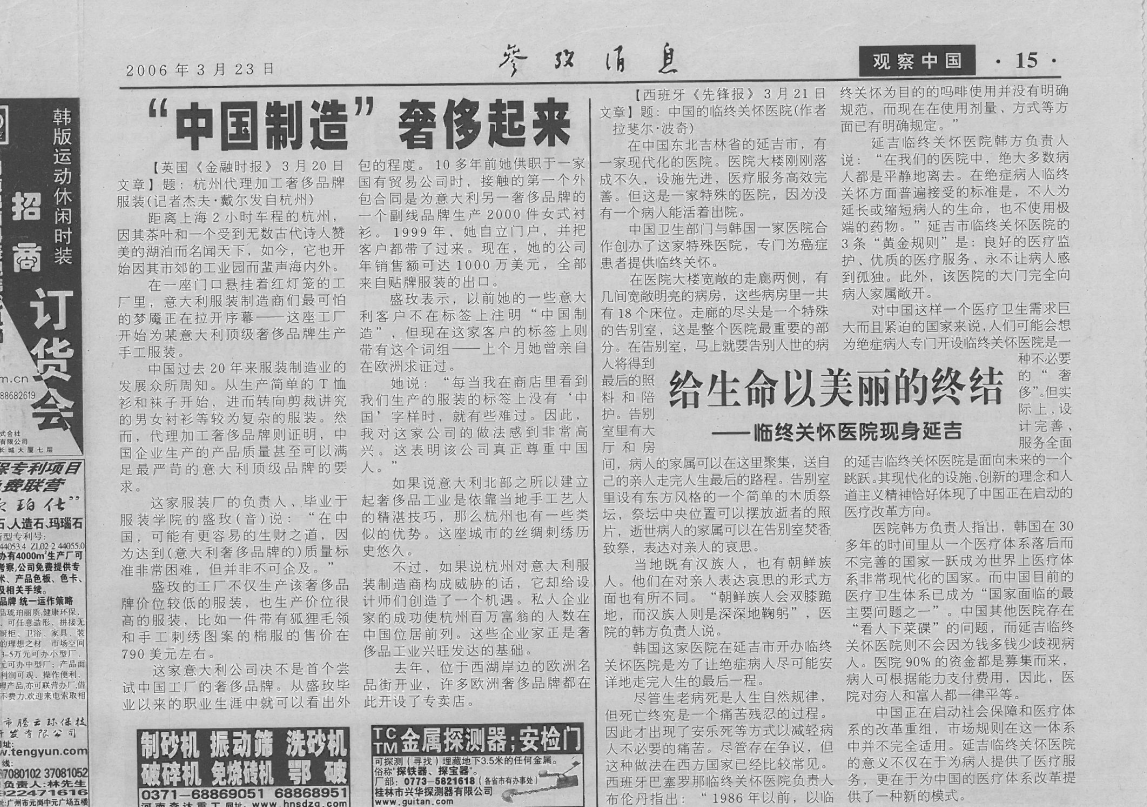 The newspaper with the largest circulation in China and the fifth in the world, "Reference News" reported on our company 2022-08-22 209
 Our company was recorded in <
>, as the only representative of high-end manufacturing of textile and garment in China 2022-06-24 200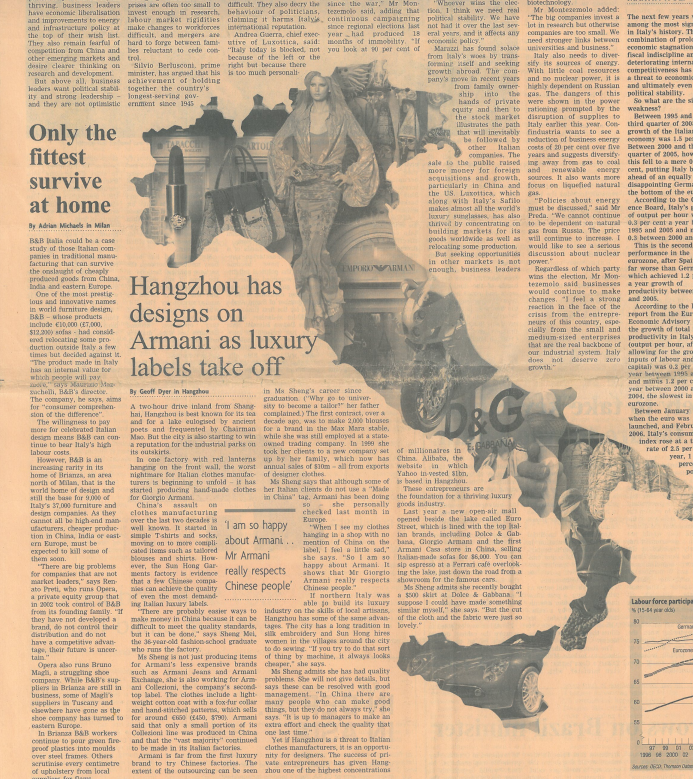 The world's most authoritative financial newspaper, the Financial Times, came to our company for a special report. 2022-06-24 203
